Heat Pumps
Central AC Installation Cost: What Homeowners Should Know Before Buying
 By HVAC.com•August 18, 2026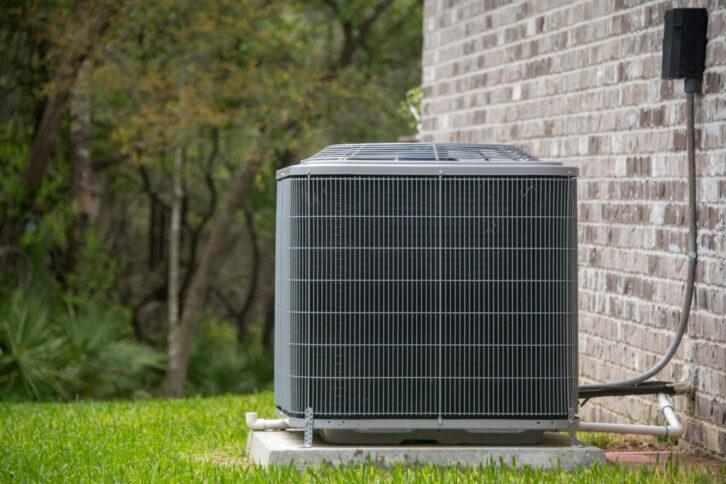
Nearly 75% of homes in the United States have air conditioning, and for good reason. As temperatures rise and long stretches of hot weather become more common, homeowners depend on central air to stay comfortable, manage indoor humidity, and protect their living spaces from extreme heat.
If you are shopping for a new system, comparing your options, or trying to understand why pricing can vary so much, learning the basics can help you make a more confident decision.
In this guide, we’ll explain how central air works, what impacts central AC installation cost, what features matter most, and how to think about efficiency, filtration, and comfort upgrades before you buy.
Common AC Questions Homeowners Ask
Before investing in a new system, many homeowners ask questions like:
- How does central air conditioning work?
- What affects central air conditioning installation cost?
- Are higher-efficiency systems worth it?
- If my air conditioning is not blowing cold air, do I need a repair or replacement?
- Are power efficient air conditioners worth the higher upfront price?
Air conditioning systems can feel complicated at first, but understanding the basics makes it easier to choose the right equipment, plan for maintenance, and avoid paying for features you do not need.
What Is Air Conditioning, and How Does It Work?
Air conditioning is designed to cool and dehumidify the air inside your home. Most central AC systems do this through the refrigeration cycle, which transfers heat from inside your home to the outdoors rather than “creating” cold air. A central air system typically includes several key parts:
- Thermostat: Monitors and regulates indoor temperature
- Evaporator coil: Absorbs heat from indoor air
- Condenser: Releases heat outdoors
- Expansion valve: Controls refrigerant flow
- Compressor: Pressurizes and circulates refrigerant
You can think of the system as having two sides:
- The indoor side, where the evaporator coil and blower move air across a cold coil
- The outdoor side, where the compressor and condenser release the captured heat
As warm indoor air passes over the evaporator coil, the refrigerant absorbs that heat. The refrigerant then moves outside, where the system releases the heat and repeats the cycle until your home reaches the temperature set on the thermostat.
How the Air Conditioning Refrigeration Cycle Works
When your home feels cool, your AC is not pumping cold into the room so much as removing unwanted heat. Here is the process in simple terms:
- Warm air from inside your home passes over the evaporator coil
- The refrigerant absorbs heat from that air
- The refrigerant moves to the outdoor unit
- The condenser releases the heat outside
- The refrigerant cools and returns indoors to repeat the cycle
This process continues until the indoor temperature matches your thermostat setting.
Types of Air Conditioners
Different homes and climates call for different cooling systems. Understanding the basic categories can help you narrow down your options.
Split Systems
A split system has an indoor unit and an outdoor unit connected by refrigerant lines. This is one of the most common setups for residential cooling. Depending on the home and climate, the outdoor component may be either an air conditioner or a heat pump, paired with an indoor air handler or furnace.
Ductless Air Conditioner
A ductless system, often called a mini-split, is also a type of split system. It includes an outdoor unit and one or more indoor units mounted in specific rooms or zones. These systems work well for homes without ductwork, room additions, or households that want more targeted comfort control.
Portable or Window Air Conditioner
Window and portable air conditioners are designed for smaller spaces such as apartments, dorm rooms, or single rooms in a home. They use the same cooling principles as larger systems, but on a smaller scale.
Packaged Air Conditioning Units
Packaged units place all major components in one cabinet instead of splitting them between indoor and outdoor equipment. These systems are used in certain homes where space or configuration makes a packaged setup more practical.
PTAC Units
Packaged Terminal Air Conditioner units are commonly found in hotels and some multi-unit buildings. They are installed through the wall, with indoor controls and cooling components facing the room and the heat-rejecting side facing outdoors.
Central Air Conditioning Installation Cost: What Affects the Price?
Central air conditioning installation cost can vary widely depending on the equipment you choose, and the amount of work needed to install it correctly. The system itself is only one part of the equation. Common factors that affect price include:
- Size of the home
- AC capacity and system sizing requirements
- Installation complexity
- Existing ductwork condition
- Electrical upgrades
- Efficiency rating
- Compressor type
- Indoor and outdoor equipment matching
- Thermostat selection
- Labor rates in your area
A low quote is not always the best quote. Proper installation is one of the biggest factors in long-term performance, comfort, and energy use. Even a high-end system may underperform if it is not sized and installed correctly.
Choosing an HVAC Contractor
A reliable contractor is just as important as the equipment you buy. When comparing installers, look at:
- Online reputation: Reviews and customer feedback can help identify consistent service quality
- Licensing and insurance: Make sure the company is properly licensed and insured in your state
- Warranty coverage: Ask about labor warranties in addition to manufacturer warranties
- Detailed pricing: Request a quote that clearly breaks out equipment, labor, and any additional work
If possible, get more than one quote so you can compare scope as well as price.
SEER Rating and Efficiency
SEER stands for Seasonal Energy Efficiency Ratio. It measures how efficiently an air conditioner cools over a typical season. A higher SEER rating generally means:
- Better power efficiency
- Lower long-term operating costs
- Higher upfront cost
You can think of SEER the way you think about miles per gallon in a vehicle. More efficient equipment often costs more to buy, but less to operate. For many homeowners, this is when they start thinking about power efficient air conditioners. Systems with higher efficiency ratings, variable-speed technology, and better humidity control may cost more initially, but they can reduce monthly utility bills and improve comfort over time.
Compressor type
The compressor has a major effect on comfort, efficiency, and sound level. There are three main types:
Single-Stage Compressor
A single-stage compressor runs at full power whenever it turns on. It is typically the most affordable option, but it is also less efficient and may create more noticeable temperature swings.
Two-Stage Compressor
A two-stage compressor can run at a lower setting most of the time and move to high when outdoor temperatures rise. This can improve efficiency, humidity control, and overall comfort.
Variable-Speed Compressor
A variable-speed compressor adjusts output based on your home’s cooling needs. It usually offers the best comfort, strongest efficiency potential, and quietest operation, but often comes with the highest upfront cost. Most compressors offer one of two warranty options. You’re likely to find that the AC compressor warranty is good for either five years or 10 years. Some brands will allow you to extend the warranty if certain conditions are met.
Condenser Fan Motor
The condenser fan motor helps move heat out of the outdoor unit and protects the system from overheating. It plays an important supporting role in efficiency and system reliability.
In many systems, matching the fan motor design with the compressor type helps deliver better performance. For example, variable-speed systems often pair best with other variable-capable components.
Noise Levels
If quiet performance matters to you, it is worth comparing sound ratings before buying a new air conditioner.
Noise levels depend on:
- Fan speed
- Compressor design
- Unit location
- Sound-insulating features
Features that can help reduce sound include:
- Variable-speed fans
- Compressor insulation
- Noise-reducing fan blades
- Insulated base pans
In general, variable-speed systems tend to be among the quietest options available.
Air Conditioning Refrigerant Type
Refrigerant is the substance your air conditioner uses to transfer heat and cool your home. The type of refrigerant in your system can affect repair costs, efficiency, environmental impact, and future service options.
- R-22 (Freon): An older refrigerant that is now obsolete in the United States. Because it is no longer produced or imported for standard use, repairs on R-22 systems can become expensive and harder to justify over time.
- R-410A: This refrigerant replaced R-22 as the standard for many newer air conditioning systems. Many existing AC units still use R-410A, but homeowners replacing older equipment may want to consider newer refrigerant options.
- R-454B: A next-generation refrigerant now used in many newly manufactured air conditioners and heat pumps. It has a lower global warming potential (GWP) than R-410A, supports newer industry regulations, and is commonly found in high-efficiency systems designed for better comfort and energy performance.
Air conditioner maintenance
Routine maintenance helps protect your system’s efficiency, performance, and lifespan. Most homeowners should schedule professional maintenance twice a year and also keep up with a few regular tasks at home.
Filters
Filters should be replaced or cleaned based on manufacturer recommendations, often every 60 to 90 days. Dirty filters can restrict airflow, reduce efficiency, and even contribute to frozen coils or system strain. This is also where MERV rating matters. The right filter should support both air quality and proper airflow.
Coils
Evaporator and condenser coils collect dirt over time. Dirty coils reduce heat transfer and make the system work harder. Keeping coils clean helps maintain efficient performance.
Coil fins
The aluminum fins on coils can bend easily, which may block airflow. Straightening damaged fins can help restore proper operation.
Condensate drain
The condensate drain line removes moisture from the system. Keeping it clear can help prevent clogs, leaks, and mold growth.
AC maintenance checklist
Even if you handle basic upkeep at home, professional service is still important. During a maintenance visit, a technician may:
- Check refrigerant level
- Test for leaks
- Measure airflow through the evaporator coil
- Check thermostat accuracy
- Inspect motors, belts, and electrical components
HVAC Brands and Installation Quality
When comparing HVAC brands, it is easy to focus on equipment names alone. But installation quality has a huge impact on how well a new system performs. Even an advanced system may fall short if it is not installed correctly. Homeowners should focus on finding a qualified contractor who can properly size the system, evaluate the ductwork, and install matched indoor and outdoor components. If you are comparing options, Trane and American Standard are among the leading brands homeowners may encounter during the buying process, but the contractor’s installation quality remains one of the most important factors in overall performance.
Are Power Efficient Air Conditioners Worth It?
For many homeowners, the short answer is yes, especially if you plan to stay in your home for several years. Power efficient air conditioners may offer benefits such as:
- Lower monthly utility costs
- Better humidity control
- More consistent indoor temperatures
- Quieter operation
- Improved long-term comfort
The tradeoff is usually a higher upfront price. Whether that investment makes sense depends on your climate, usage, budget, and how long you expect to stay in the home. If your current equipment is aging, unreliable, or expensive to run, upgrading to one of today’s power efficient air conditioners may make sense both financially and practically.
Final Thoughts
Central AC installation cost is important, but price should not be the only factor guiding your decision. The right system for your home depends on sizing, efficiency, installation quality, comfort goals, and long-term operating costs. As you compare options, it helps to understand how central air works, what features matter most, and which upgrades can improve comfort and efficiency. A trusted HVAC professional can help you compare repair versus replacement, assess your home’s needs, and recommend a system designed for reliable comfort.